High-voltage industrial systems
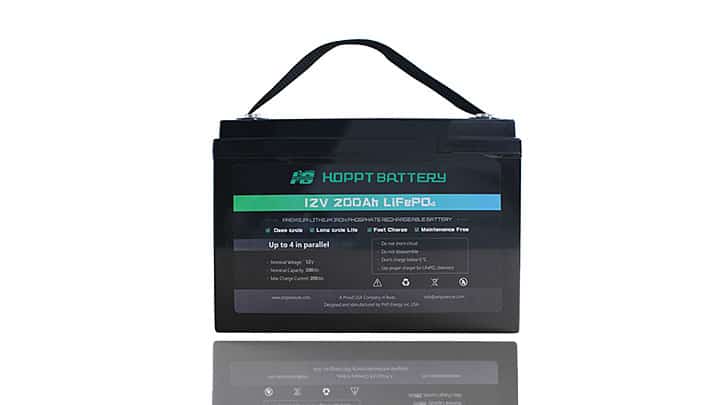
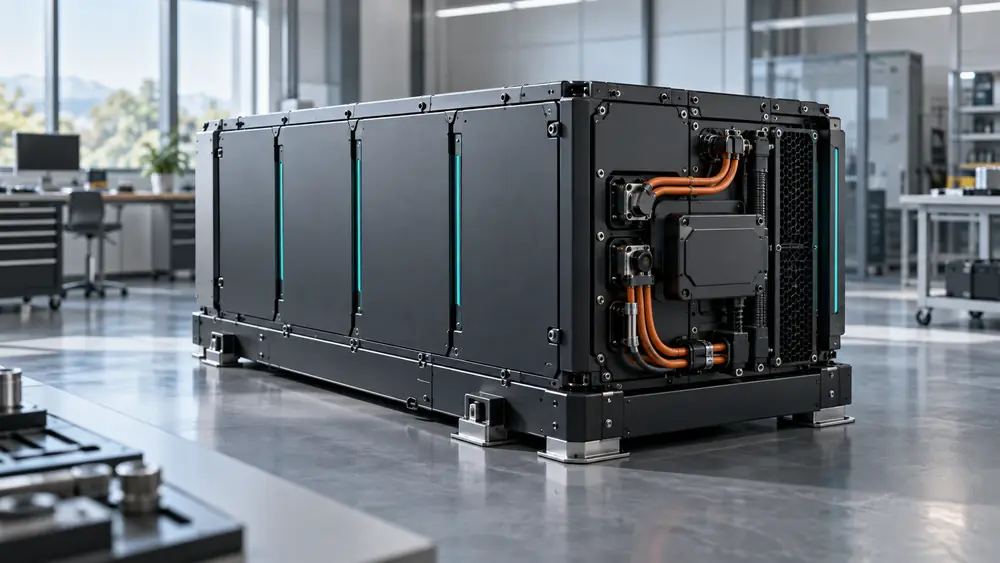
Industrial and traction equipment above 96 V needs the electrical architecture, insulation and service design reviewed as one system.
HOPPT BATTERY · APPLICATIONS
Dongguan Hoppt Light Technology Co., Ltd. (HOPPT Battery) develops custom lithium battery solutions for industrial equipment and specialized applications. Our core technical and project team brings more than 20 years of experience in lithium battery R&D, engineering design, and application development.
Our capabilities include battery cells, BMS, PACK design, thermal management, communication integration, electrical protection, and system validation. We support projects ranging from robots, AGVs and AMRs to medical devices, industrial equipment, backup power systems, and other applications with specialized operating requirements.
EXPLORE BY EQUIPMENT
Each device brings a different balance of current, space, temperature and integration needs. Use these areas as a starting point; the final battery specification is set for your equipment.
Industrial and traction equipment above 96 V needs the electrical architecture, insulation and service design reviewed as one system.
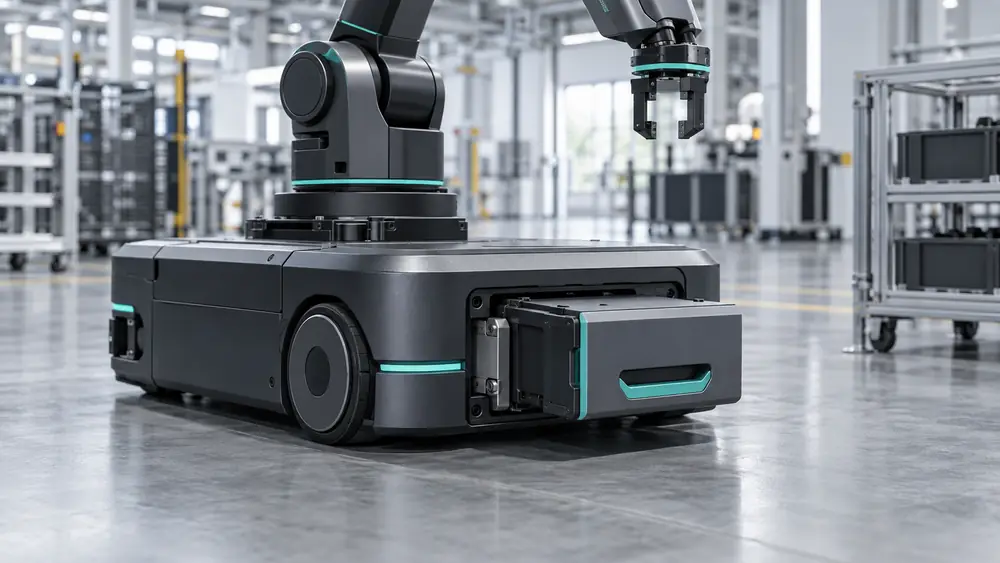
Automated platforms need dependable power through changing loads, repeated charge cycles and communication with the machine controller.
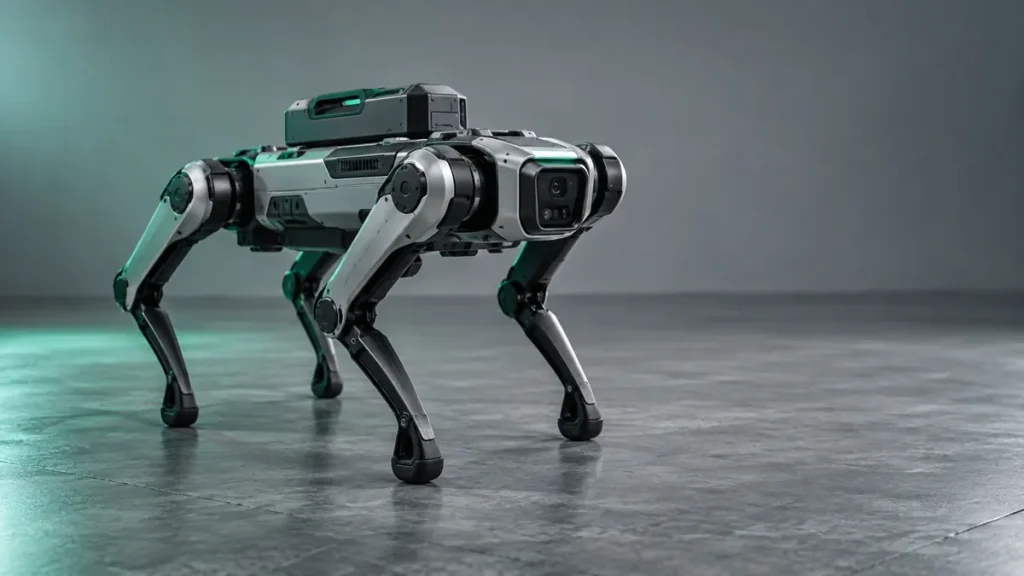
Legged robots combine rapid current swings with tight weight, mounting and vibration constraints. Outdoor duty can add thermal demands.
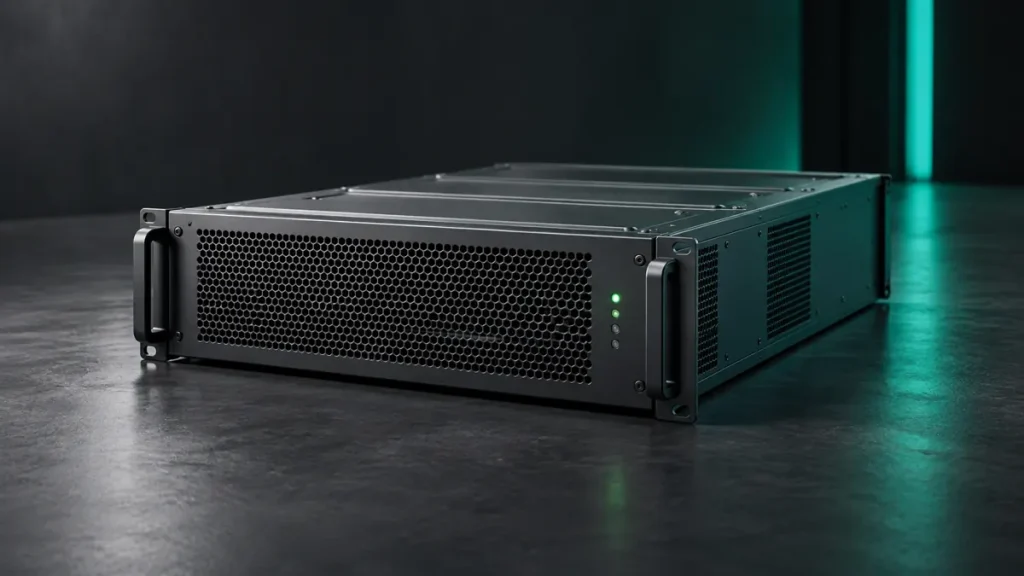
Battery backup units must fit rack power, monitoring and switchover requirements while supporting a defined maintenance strategy.
Non-standard equipment may call for unusual dimensions, connectors or environmental protection beyond a standard battery pack.
Portable and mobile devices require battery integration around the actual equipment power profile and applicable documentation.
Field systems may need long operating time and dependable charging when access to service or mains power is limited.
Body-worn products put thickness, shape, weight and user comfort alongside electrical performance.
Compact devices need the cell, protection circuit and connector to fit a limited volume without losing the required runtime.
Unattended devices are often governed by standby consumption, maintenance intervals and changing ambient conditions.
Measurement and test equipment benefit from stable supply design, predictable runtime and a practical replacement path.
Portable field instruments need a balance of usable energy, carry weight and resilience during transport and outdoor work.
FROM APPLICATION TO SPECIFICATION
A voltage and capacity request rarely tells the whole story. These questions help define a solution that can be evaluated against the equipment's actual job.
Size the pack around actual power demand, voltage limits and runtime instead of nominal capacity alone.
Charging and discharging limits are reviewed separately; thermal, vibration and enclosure needs depend on where the equipment works.
The battery must fit, mount and connect safely within the real equipment layout.
Protection settings, communication and required documents are defined for the selected application and market.
PUBLISHED CONFIGURATIONS
These configurations are listed in HOPPT product materials. They show application range, not a universal specification or an independently verified customer outcome.
A published lithium-polymer configuration for portable electronics and instruments where volume and fit matter.
3.7 V · 2000 mAh · 103450 formatView published configurationA published low-temperature battery configuration for a four-legged robot.
72 V · 30 Ah · 2.16 kWhView published configurationA published LiFePO4 configuration for an unmanned forklift application.
150 V · 24 Ah · 3.6 kWhView published configurationYOUR APPLICATION IS THE STARTING POINT
Share the operating voltage, current profile, runtime, available space, environment and project schedule. We can discuss the remaining questions together.
reply within 6 hours,any questions are welcome!