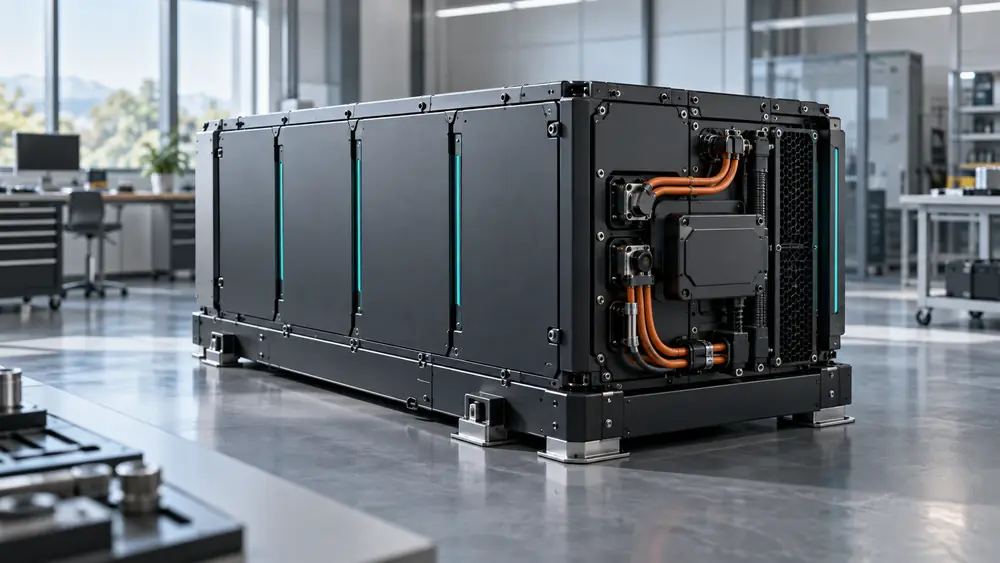
CUSTOM BATTERY SYSTEMS

Special batteries built around your application

From high-voltage systems at 96V and above to robots, quadruped platforms and BBU backup power, HOPPT develops cell, BMS and PACK configurations around defined loads, operating conditions and integration constraints.

Cell selection · BMS · PACK integration · Validation planning

Special batteries built around your application
Built around your load, environment and integration needs

CURRENT FOCUS

Battery design for demanding applications

Explore four application directions: high-voltage systems, robots, quadruped robots, and battery backup units. Electrical ratings, mechanical fit, protection, and validation scope are defined for each project rather than assumed from a generic image.

High-voltage battery systems application illustration

ENERGY SYSTEMS

High-voltage battery systems

For projects using a higher DC bus or series-connected architecture, start with the operating voltage window, load profile, protection concept, and integration constraints.

  • Voltage window and peak load
  • BMS and isolation approach
  • Thermal and mechanical integration
Explore high-voltage systems
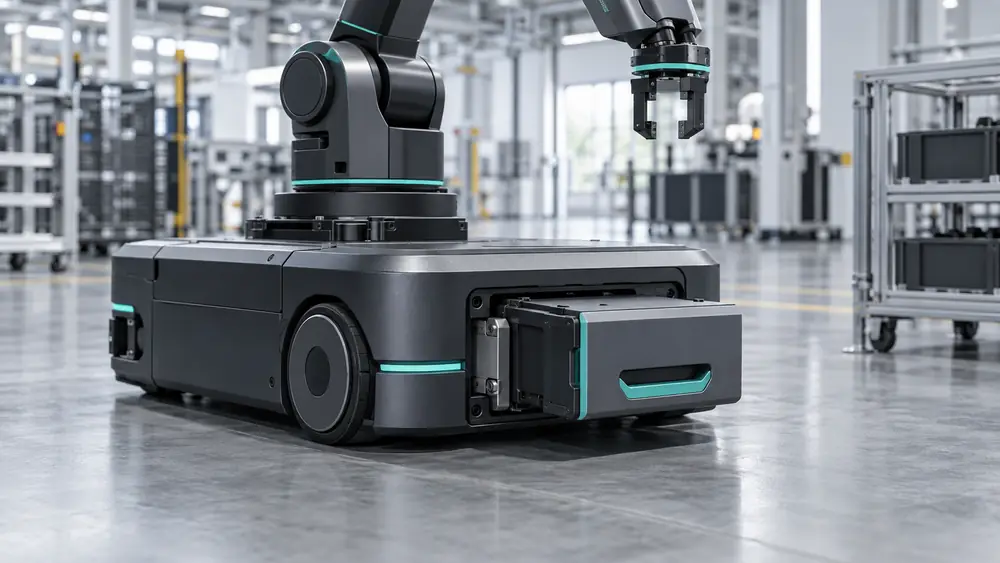
Robot batteries application illustration

MOBILE AUTOMATION

Robot batteries

Robots need a battery matched to their movement cycle, charging rhythm, enclosure space, and communication interface. The design starts with how the machine actually works.

  • Duty cycle and peak current
  • Charging and service strategy
  • Packaging and communication
Discuss a robot project
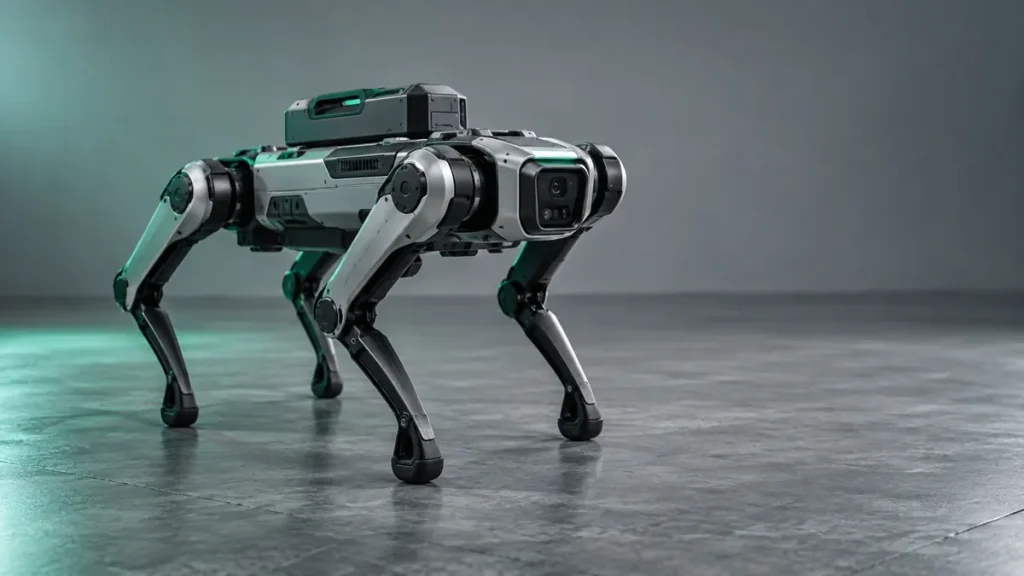
Robot dog batteries application illustration

QUADRUPED PLATFORMS

Robot dog batteries

Quadruped platforms can combine short power bursts with tight space and weight limits. Review runtime, mass, impact exposure, and battery replacement before defining a pack.

  • Burst-load profile
  • Weight and enclosure limits
  • Field replacement and charging
Discuss a quadruped project
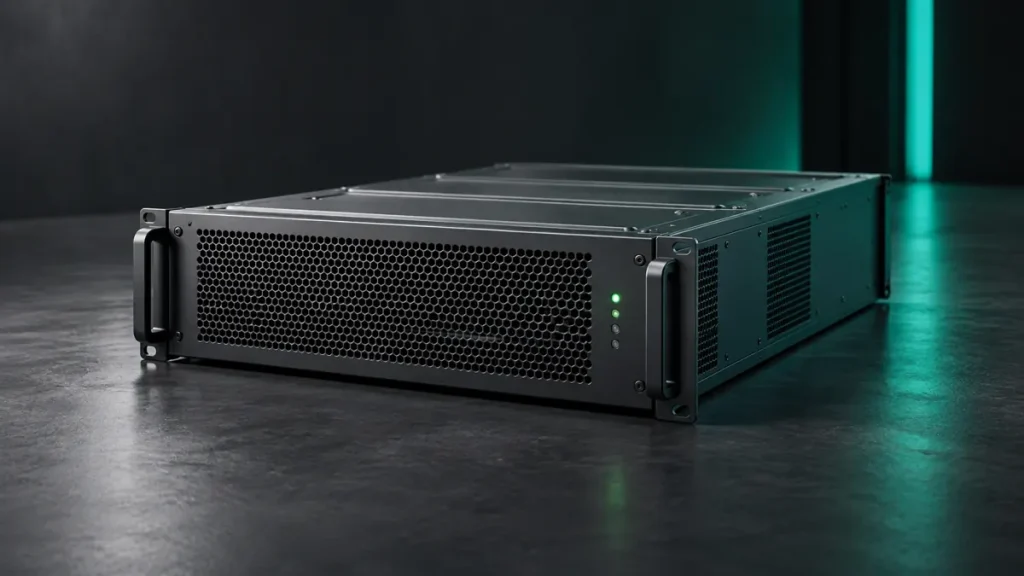
BBU battery backup units application illustration

BACKUP POWER

BBU battery backup units

For backup power in telecom or data infrastructure, define the required hold-up time, rack envelope, monitoring interface, and service expectations before choosing a configuration.

  • Backup duration and load
  • Rack and connector interface
  • Monitoring and maintenance
Discuss a BBU project

ENGINEERING & DELIVERY

Why HOPPT Battery

Dongguan Hoppt Light Technology Co., Ltd. (HOPPT Battery) was established in 2017. Our core technical and project team has been engaged in lithium battery R&D and engineering applications since 2005.
Supported by production bases in Dongguan and Huizhou, we provide integrated services covering cell selection, BMS development, PACK design, thermal management, communication integration, testing, manufacturing and project delivery.
Testing and certification requirements are evaluated according to the specific product model, application, target market and applicable standards.

01

Customer-Centric Engineering

We start with the customer's actual equipment conditions and define the battery architecture around real project requirements.

02

System Integration Capability

Cell, BMS, electrical architecture, PACK, thermal management and communication are evaluated as one complete system.

03

Project Validation & Delivery

Engineering samples, testing, equipment integration, pilot production and volume delivery are managed through a project-based process.

CELL-LEVEL REFERENCE DATA

Engineering Validation

Historical cell test curves show the type of evidence used in a battery review. Each graph applies to its stated cell and test conditions; it does not establish the performance of every custom battery pack. Request the relevant model report before design approval.

OVC VS SOC-200mA Discharge
01 / TEST CURVE

OVC VS SOC-200mA Discharge

Test Conditions:
Charge: 0.5C CC 4.2V, 4.2V 40mA, cut off at room temperature Discharge: 0.1C DC 2.75V@RT

DCR VS SOC
02 / TEST CURVE

DCR VS SOC

Test Conditions:
Charging: 0.5C CC 4.2V, 4.2V 40mA cut-off at room temperature
Discharge: 1) 0.1C (I1) discharge for 10 seconds, record the last voltage value (V1)
2) 1C (I2) discharge for 5 seconds, record the voltage value of the last 1 second (V2) DCR=(V1-V2)/(I2-I1)

Rate Discharge
03 / TEST CURVE

Rate Discharge

Test Conditions:
Charge: 0.5C CC 4.2V, 4.2V 40mA, cut off at room temperature Discharge: rate current, 2.75V, cut off at room temperature

Rate Charging
04 / TEST CURVE

Rate Charging

Test Conditions:
Charge: 0.5C/1C CC 4.2V, 4.2V 40mA Room temperature cut-off Discharge: 1C DC to 2.75V

Discharge at Different Temperatures
05 / TEST CURVE

Discharge at Different Temperatures

Test Conditions:
Charge: 0.5C CC 4.2V, 4.2V 40mA cut off at room temperature Discharge: Discharge at different temperatures

Rate Discharge at -30℃
06 / TEST CURVE

Rate Discharge at -30℃

Test Conditions:
Charging: 0.5C CC 4.2V, 4.2V 40mA cut-off at room temperature Discharge: different current DC, 2.0V, 0.5C/1C/1.5C cut-off

RT 1C/1C Cycle (4.20~2.75V)
07 / TEST CURVE

RT 1C/1C Cycle (4.20~2.75V)

Test Conditions:
Charge: 1C CC-CV 4.2V, 40mA cut-off Discharge: 1C DC, 2.75V cut-off
Recoverable capacity per cycle 50 tests (0.2C)

RT 1C/1C Cycle (4.10~2.75V)
08 / TEST CURVE

RT 1C/1C Cycle (4.10~2.75V)

Test Conditions:
Charge: 1C CC-CV 4.1V, 40mA cut-off Discharge: 1C DC, 2.75V cut-off
Recoverable capacity per cycle 50 tests (0.2C)

SYSTEM INTEGRATION

Charger hardware reference

These archived 29.3 V / 60 A charger images illustrate one integration component. Charger selection, connector, protocol and protection settings must match the final pack design.

29.3V 60A Lithium Battery Charger

PUBLISHED APPLICATION EXAMPLES

Where special batteries are specified

These examples are drawn from HOPPT’s published product catalog. They identify an application and listed configuration; no customer outcome or independent certification is implied. Requirements and final specifications are confirmed project by project.

01 / APPLICATION

Quadruped robot battery

Published configuration for a biomimetic four-legged robot operating in a low-temperature environment.

72 V · 30 Ah · 2.16 kWh · ternary lithium-ion

Design review focus

Motor peak current, vibration, cold discharge, pack mounting and BMS limits need checking against the duty cycle.

View published specification
02 / APPLICATION

Unmanned forklift battery

Published configuration for an unmanned forklift; the source lists a low-temperature application.

150 V · 24 Ah · 3.6 kWh · LiFePO4

Design review focus

High-voltage isolation, charging interface, thermal conditions and any hazardous-area approval must be verified for the installation.

View published specification
03 / APPLICATION

Inspection robot battery

Published configuration for a pipe-corridor inspection robot with RS485 communication.

25.6 V · 20 Ah · 512 Wh · LiFePO4

Design review focus

Runtime, communication protocol, enclosure protection and charging access depend on the robot platform.

View published specification

MODEL SELECTION REFERENCE

Representative Product Specifications

This list preserves all 11 models from the earlier selection worksheet. Conflicting source values are withheld and marked for confirmation. Even reference values need checking against the current model datasheet before design approval.

ApplicationModelCapacityEnergyNominal voltageDimensionsData status
Low-temperature battery 22.4 V 48 Ah 26650 48 Ah 1075.2 Wh 22.4 V T292 × W283 × H213 mm ±5 mm Reference valueArithmetic and source columns agree; request current datasheet.
Low-temperature battery 25.2 V 48 Ah 21700 48 Ah — — T333 × W148 × H172 mm ±5 mm Needs confirmationModel number conflicts with voltage and energy in the legacy worksheet.
Low-temperature battery 25.2 V 48 Ah 21700 48 Ah — — T318 × W148 × H172 mm ±5 mm Needs confirmationModel number conflicts with voltage and energy in the legacy worksheet.
Low-temperature battery 12.8 V 21 Ah 21700 21 Ah 268.8 Wh 12.8 V T160 × W160 × H100 mm ±5 mm Reference valueArithmetic and source columns agree; request current datasheet.
Low-temperature battery 14.8 V 12 Ah 18650 12 Ah — — T275 × W78 × H20.5 mm ±5 mm Needs confirmationModel number conflicts with nominal voltage in the legacy worksheet.
Low-temperature battery 14.8 V 9 Ah 18650 9 Ah — — T128 × W75 × H45 mm ±5 mm Needs confirmationModel number conflicts with nominal voltage in the legacy worksheet.
Low-temperature battery 25.2 V 88 Ah 21700 88 Ah 2217.6 Wh 25.2 V T322 × W300 × H115 mm ±5 mm Reference valueArithmetic and source columns agree; request current datasheet.
Low-temperature battery 12 V 202 Ah 26650 202 Ah — — T700 × W350 × H90 mm ±5 mm Needs confirmationModel number conflicts with nominal voltage in the legacy worksheet.
Low-temperature battery 22.4 V 9.6 Ah 26650 9.6 Ah 215.04 Wh 22.4 V T240 × W140 × H100 mm ±5 mm Reference valueArithmetic and source columns agree; request current datasheet.
Low-temperature battery 21.6 V 5 Ah 18650 5 Ah — — T123 × W67.5 × H39 mm ±5 mm Needs confirmationModel number conflicts with nominal voltage and energy in the legacy worksheet.
Special-purpose cell 3.85 V 2200 mAh 634063 2200 mAh 8.47 Wh 3.85 V 6.3 × 40 × 63 mm Needs confirmationElectrical arithmetic agrees; the legacy explosion-proof label needs certification review.

Values are selection references, not universal ratings, a final quotation or a product certification. Ask for a current datasheet and test scope →

ENGINEERING INPUTS

What helps us review your application

A useful first discussion connects the battery to the machine and its operating conditions. Share the information you have; open points can be identified during technical review.

01

Electrical envelope

Target voltage range, continuous and peak current, duty cycle, charging source, and required backup or runtime.

02

Physical integration

Available space, weight target, mounting method, connectors, and whether the pack must be removable.

03

Operating environment

Temperature range, vibration or impact exposure, storage conditions, and expected service pattern.

04

Validation plan

Applicable standards, test method, documentation needs, and the exact product configuration to be reviewed.

Common project questions

Are the images and descriptions fixed product specifications?

No. The application images show design directions; electrical ratings, dimensions, safety testing and documentation scope are confirmed for each specific project.

What should I send for an initial technical review?

A target voltage range, load profile, required runtime or backup time, available space, operating environment, interface requirements, and expected project volume are a useful starting point.

Can one battery design fit different robots or backup systems?

Compatibility depends on the load, enclosure, controls, charging method, and safety requirements of each platform. A design should be reviewed against the actual application.

START A PROJECT

Discuss your battery requirements

Tell us what the system needs to do. We can review the requirements and identify which specifications and tests need to be confirmed before a configuration is proposed.

Contact the HOPPT team Final specifications are confirmed per project.

General Contact

    Personal lnformation

    • Mr.
    • Ms.
    • America
    • England
    • Japan
    • France

    How can we help you?

    • Product
    • Case
    • After-sales service and help
    • Other help

    img_contact_quote

    We’d love to hear from you!

    Hoppt Team, China

    Google Map arrow_right

    close_white
    close

    Write inquiry here

    reply within 6 hours,any questions are welcome!