
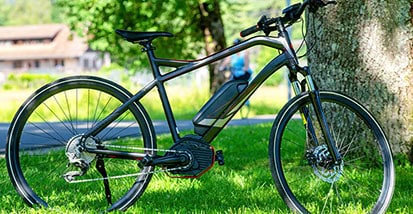
Electrical duty cycle
Size the pack around actual power demand, voltage limits and runtime instead of nominal capacity alone.
- Operating voltage window
- Continuous and peak current
- Runtime and charging profile
HOPPT BATTERY · CUSTOM SOLUTIONS
Tell us how your equipment works, where it operates and what it must deliver. We help define the cell, BMS, pack structure and verification scope around those requirements.

BUILT TO YOUR REQUIREMENTS
ENGINEERING BRIEF
Battery voltage and capacity are only the start. A useful proposal also considers the load profile, charging method, physical envelope, operating environment, control interface and documentation your project needs.
Size the pack around actual power demand, voltage limits and runtime instead of nominal capacity alone.
Charging and discharging limits are reviewed separately; thermal, vibration and enclosure needs depend on where the equipment works.
The battery must fit, mount and connect safely within the real equipment layout.
Protection settings, communication and required documents are defined for the selected application and market.
FROM REQUIREMENTS TO PRODUCTION
From the first equipment brief to an approved configuration, each stage has a review point. Timing, samples and documentation are agreed for the actual project.
PROTOTYPE & EVIDENCE
A sample is useful when it answers clear engineering questions. The acceptance criteria, test conditions and required records should be agreed before relying on a result.
Agree the electrical, thermal, mechanical and interface requirements that matter for the device.
Review dimensions, connectors, communication and charging behavior in the target equipment.
Evaluate the agreed tests, resolve exceptions and confirm the configuration before planning production.
Test methods, acceptance limits, documentation and certification scope are agreed for the selected configuration. A certificate for one battery model does not automatically cover another.
APPLICATIONS
Explore application families from compact electronics to high-voltage equipment and backup power. Each card highlights the design questions that matter before choosing a cell, BMS and pack structure.
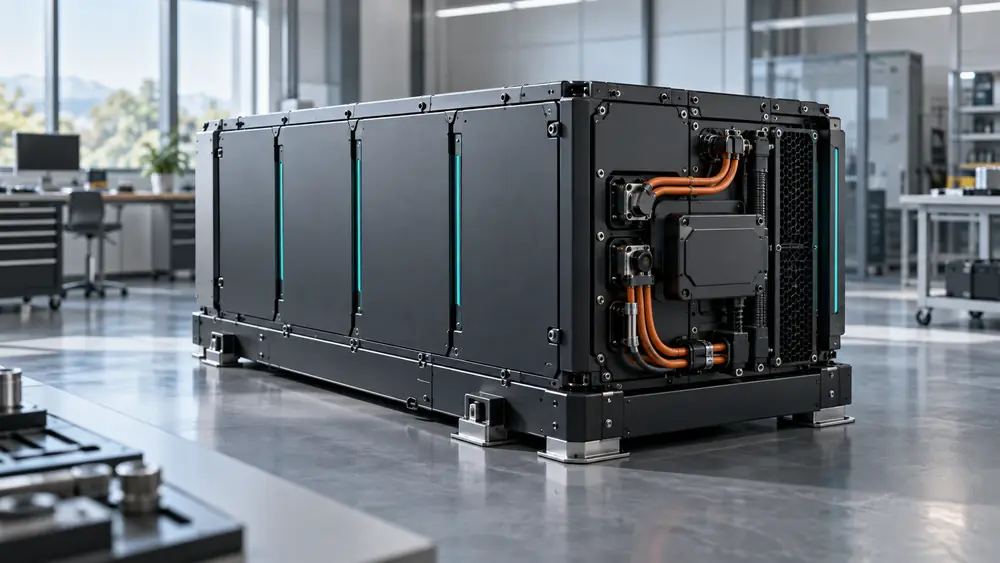
Industrial and traction equipment above 96 V needs the electrical architecture, insulation and service design reviewed as one system.
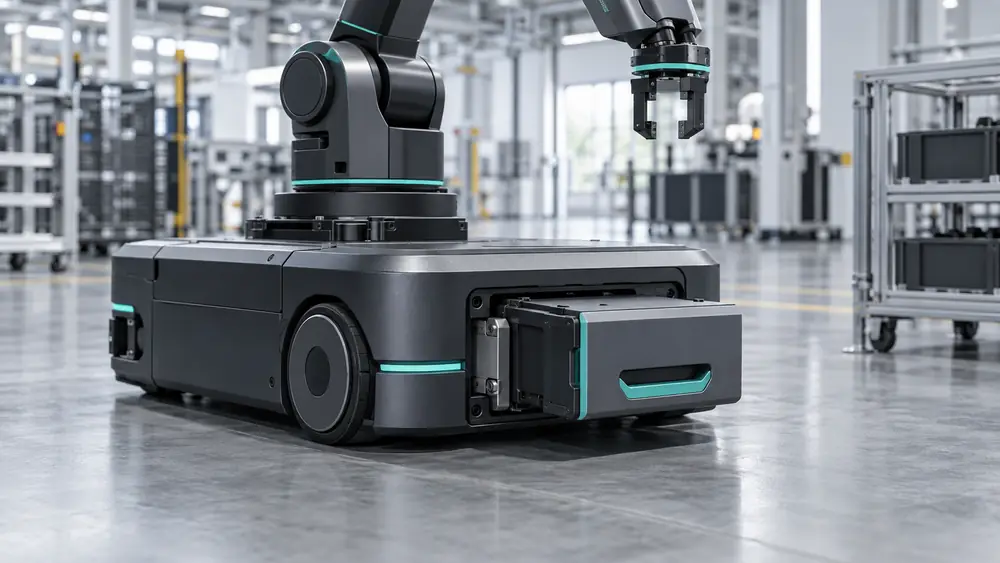
Automated platforms need dependable power through changing loads, repeated charge cycles and communication with the machine controller.
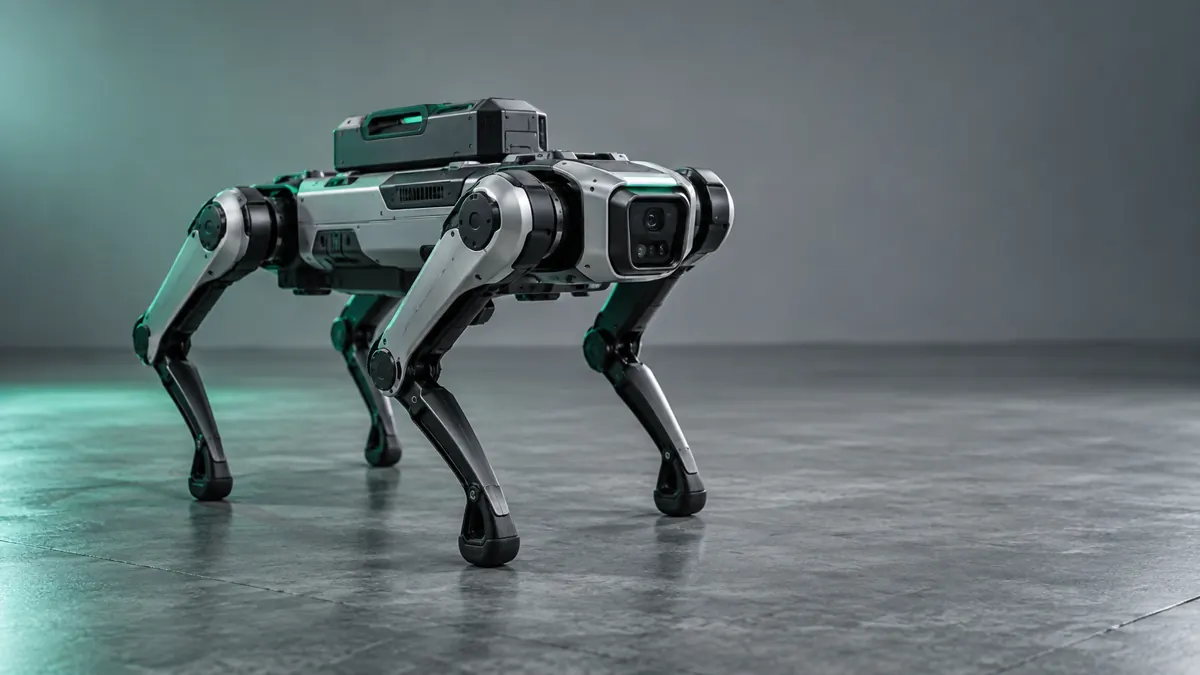
Legged robots combine rapid current swings with tight weight, mounting and vibration constraints. Outdoor duty can add thermal demands.
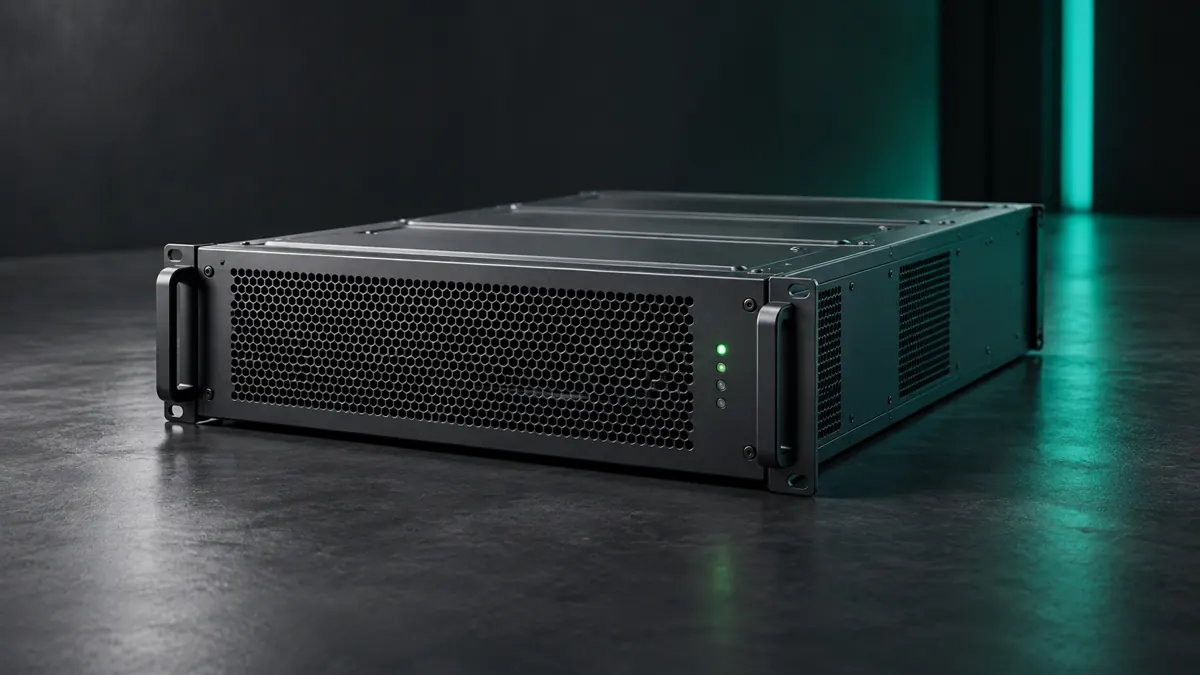
Battery backup units must fit rack power, monitoring and switchover requirements while supporting a defined maintenance strategy.

Non-standard equipment may call for unusual dimensions, connectors or environmental protection beyond a standard battery pack.

Portable and mobile devices require battery integration around the actual equipment power profile and applicable documentation.

Field systems may need long operating time and dependable charging when access to service or mains power is limited.

Body-worn products put thickness, shape, weight and user comfort alongside electrical performance.

Compact devices need the cell, protection circuit and connector to fit a limited volume without losing the required runtime.

Unattended devices are often governed by standby consumption, maintenance intervals and changing ambient conditions.

Measurement and test equipment benefit from stable supply design, predictable runtime and a practical replacement path.

Portable field instruments need a balance of usable energy, carry weight and resilience during transport and outdoor work.
Describe its load, space and environment; we can review the requirements together.
PUBLISHED CONFIGURATIONS
These configurations are drawn from HOPPT product pages. They show the range of applications we discuss with customers; they are not evidence that one specification fits every device or that an unnamed customer achieved a stated outcome.
A published lithium-polymer configuration for portable electronics and instruments where volume and fit matter.
Confirm maximum envelope, load current, charging method and connector arrangement.
A published low-temperature battery configuration for a four-legged robot.
Confirm motor peaks, vibration, mounting, cold discharge and BMS behavior.
A published LiFePO4 configuration for an unmanned forklift application.
Confirm isolation, charge interface, duty cycle and any hazardous-area approval needed for the installation.
These are published product configurations, not claims about a named customer's project outcome. The final pack, test plan and delivery scope are defined for each inquiry.
WORKING WITH HOPPT BATTERY
Dongguan Hoppt Light Technology Co., Ltd. was established in 2017, with core team experience in lithium batteries dating back to 2005. Our role is to connect the device brief to a reviewable battery design, sample validation and an agreed production scope.


QUESTIONS BEFORE YOU START
The right answer depends on your equipment. These are the points we clarify early so the proposal and tests match the job.
Ask about your projectStart with the application, equipment voltage range, continuous and peak load, target runtime, available battery space, charging method and operating temperatures. Share drawings or connector details when available. Unknown values can be marked for discussion.
They can be discussed as part of the battery system design. Protection settings, communication, connector selection and enclosure details are chosen against the equipment requirements and confirmed in the project specification.
We compare the load profile, energy need, space, weight, temperature range, safety requirements and expected service life. Lithium-ion, LiFePO4 and lithium-polymer options have different trade-offs; the choice is project-specific.
Tell us the separate charging, discharging and storage temperatures, plus the required capacity and current at those points. A low-temperature label alone does not define the operating window; the selected design and test conditions must support the target use.
Not automatically. Certificates and test reports apply to the holder, model, configuration and scope shown in the original document. We can review what documents your market or equipment requires and confirm which apply to the proposed battery.
After the key specifications, quantities, test scope and approval path are clear, the team can prepare a project-specific quotation and schedule. Changes to those inputs may change the price or timing.


reply within 6 hours,any questions are welcome!