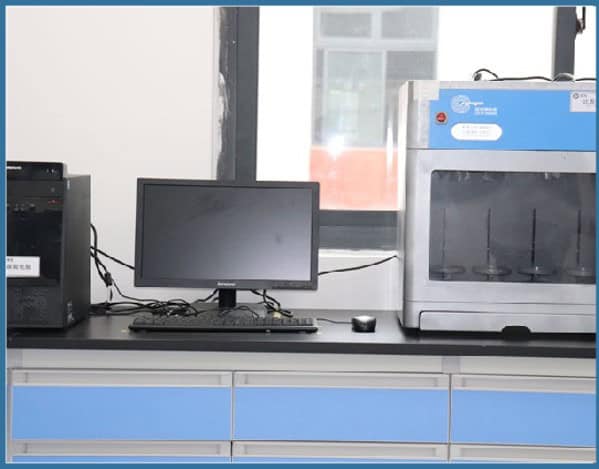

Electrical duty
Define the voltage window, continuous and peak current, runtime and charging profile before selecting a cell format or pack architecture.
ENGINEERING · MANUFACTURING · VERIFICATION
Explore the production equipment, test facilities and engineering questions behind a battery design. The right configuration and evidence depend on the device, operating conditions and model.
BEFORE A CELL OR PACK IS SELECTED
A useful technical discussion connects electrical demand with the operating environment, physical integration and a model-specific verification plan.
Define the voltage window, continuous and peak current, runtime and charging profile before selecting a cell format or pack architecture.
Review sensing, protection thresholds, balancing and communication requirements against the way the equipment operates.
Confirm available space, mounting, cooling path, temperature range and exposure to vibration or ingress.
Agree on relevant tests, acceptance criteria and documentation for the particular model and application.
FROM BRIEF TO EVIDENCE
Each stage should produce a decision or record that can be checked against the agreed application requirements.
Capture the load profile, runtime, environment, interfaces and project constraints.
Compare cell, protection, mechanical and thermal options; identify trade-offs and open questions.
Evaluate the proposed pack in the intended equipment and refine the electrical and physical interfaces.
Test against agreed conditions and record the results, exceptions and required changes.
Confirm the released configuration, documentation and applicable quality controls.
VISIBLE FACILITIES
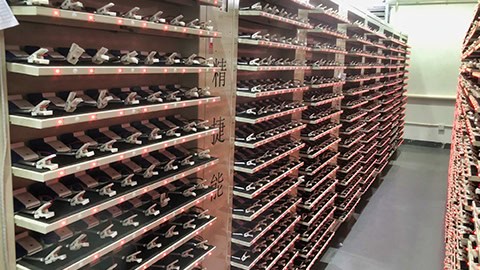
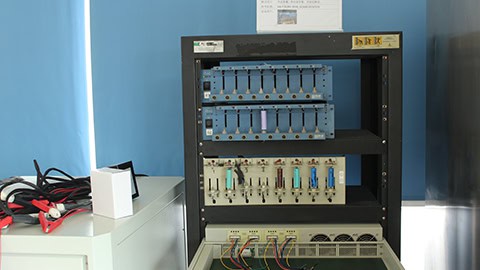
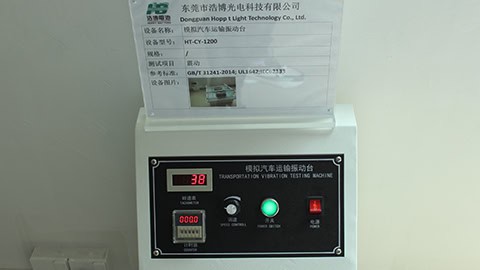
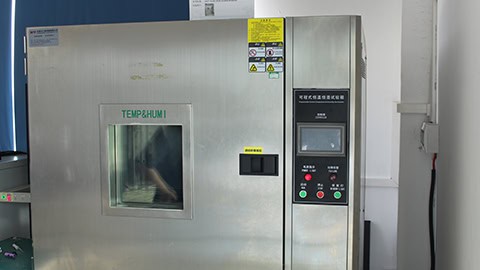
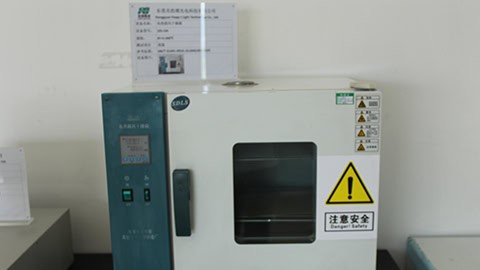
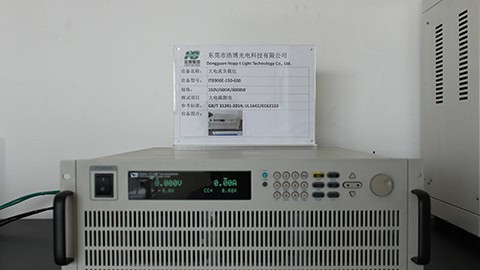
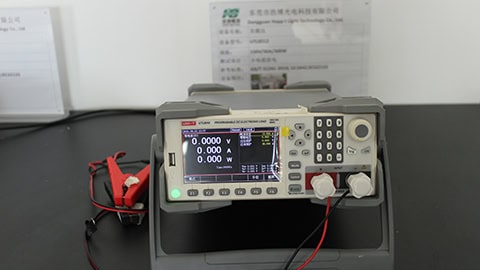
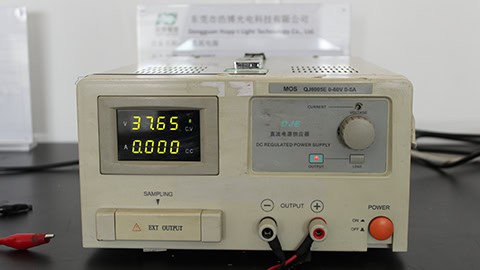
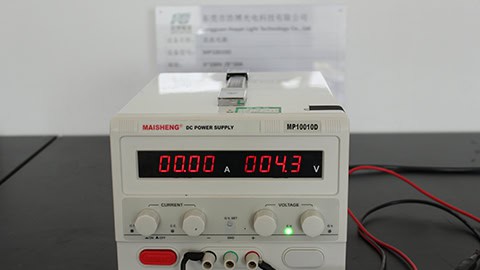
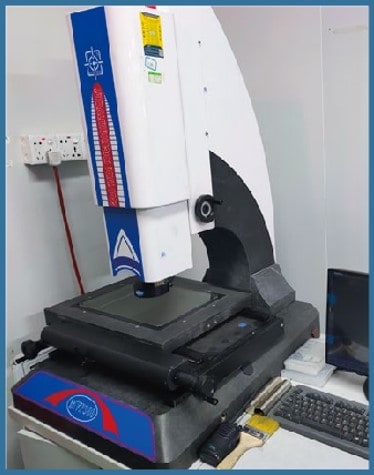
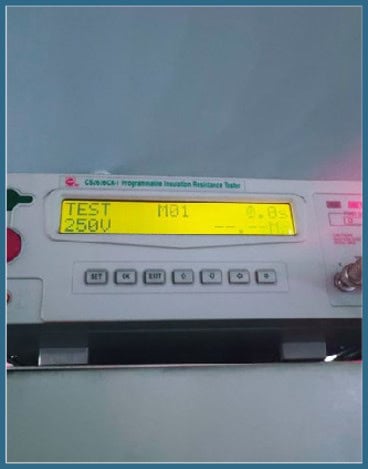
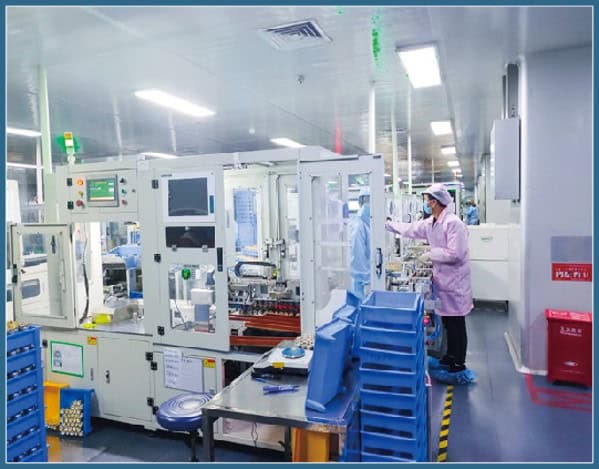
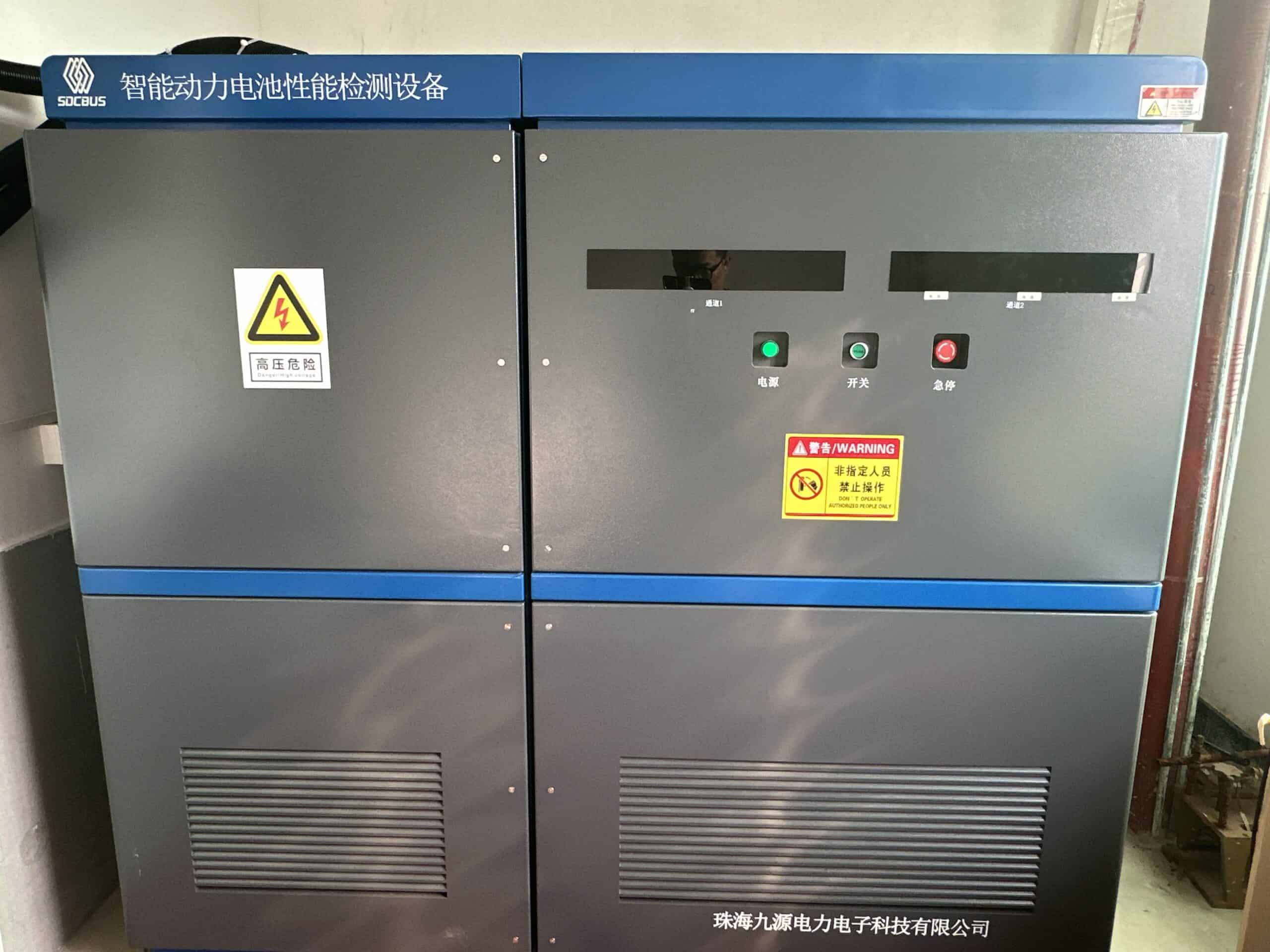
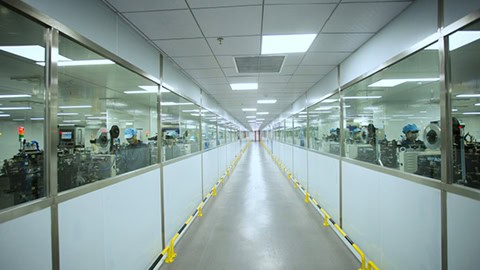
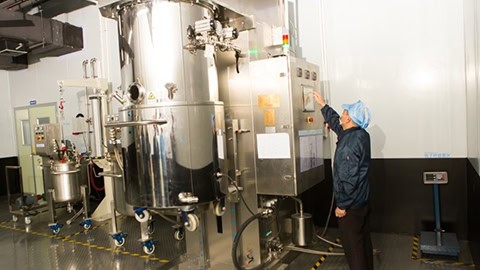
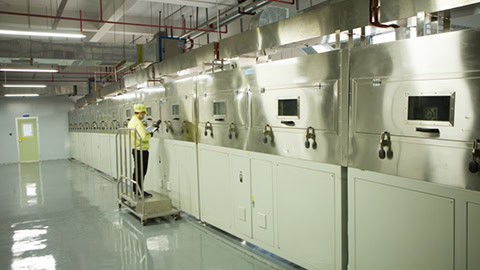
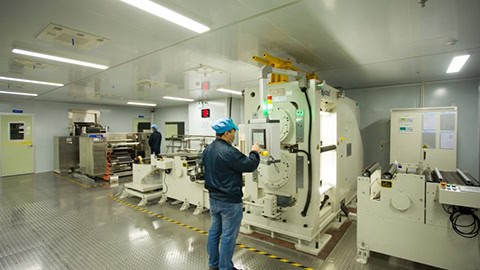
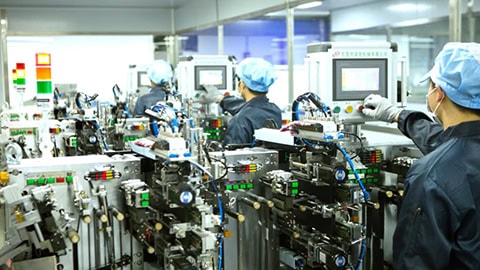
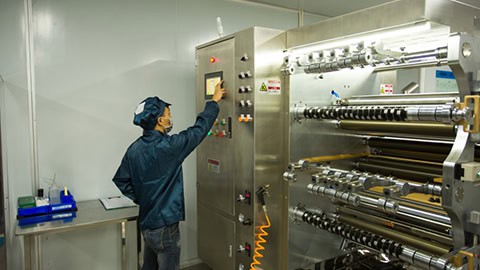
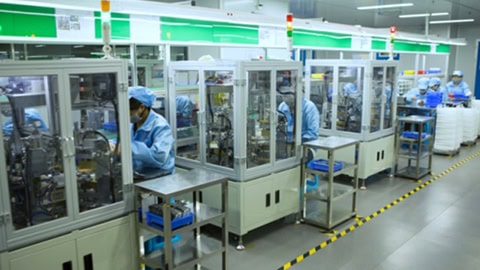
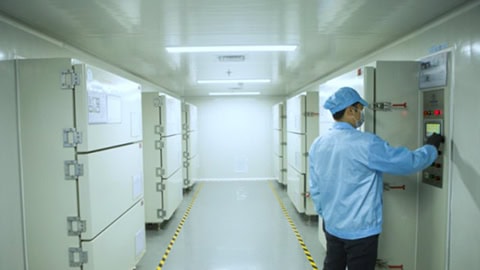
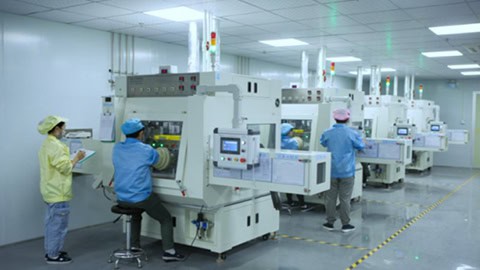
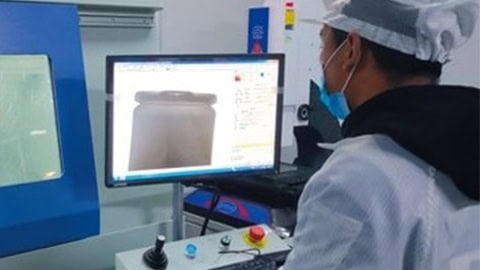
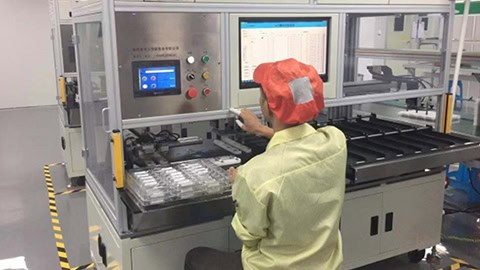
The photographs document equipment and work areas. They do not establish a test result, certification or manufacturing route for every model. Ask for current, product-specific records when reviewing a project.
CAPABILITY / 01
These photographs show production work areas and equipment for electrode preparation, rolling, slitting, sealing, drying, electrolyte filling and inspection. The applicable process and controls depend on cell construction and project scope. Ask which manufacturing records apply to your proposed battery.
CAPABILITY / 02
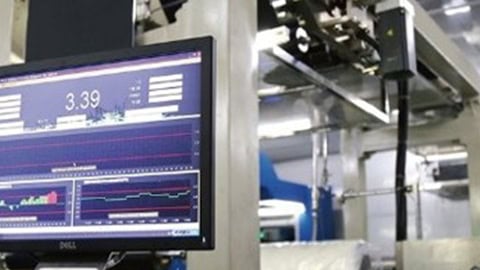
Testing is meaningful when the conditions and pass criteria match the actual cell, pack and use case. Electrical behaviour, environmental exposure and protection functions should be reviewed against project requirements. The gallery shows facilities and equipment; it is not a model-specific test report.
CHECK THE APPLICABLE SCOPE
Production photographs, test equipment and certificate images are useful context. For a specification decision, confirm the legal entity, model, configuration, test conditions and validity of the documents that apply to your project.
TALK THROUGH THE REQUIREMENTS
Share the voltage range, continuous and peak load, runtime, available space, environment and documentation needs. We can discuss the next engineering questions from there.


reply within 6 hours,any questions are welcome!